

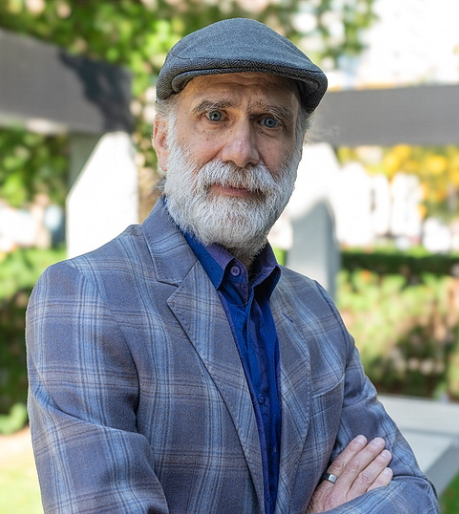
Founder of Counterpane Internet Security, Chief of Security Architecture at Inrupt, Former Chief Technology Officer of IBM & Author
Bruce Schneier’s Biography:
Bruce Schneier is an internationally renowned security technologist, widely recognised for his work as a cryptographer, computer security professional, privacy specialist and writer. As Chief of Security Architecture at Inrupt and former Chief Technology Officer of IBM, Bruce has played a central role in shaping modern cyber security thinking. His ability to interpret complex digital risks and translate them into clear, strategic insight makes him a highly respected speaker for organisations seeking to strengthen cyber resilience and understand the evolving threat landscape.
Bruce’s career began with a strong technical foundation, leading to becoming the Founder of Counterpane Internet Security, where he served as CTO. The company became a pioneer in managed security services and was later acquired, forming part of BT Managed Security Solutions. His expertise in cryptography and security engineering established him as a trusted authority, leading to senior roles including CTO of IBM. Alongside his corporate career, he has remained deeply engaged in public policy and academia, serving as a fellow at the Berkman Klein Centre for Internet and Society at Harvard University and a Lecturer in Public Policy at the Harvard Kennedy School.
Throughout his career, Bruce has received widespread recognition for his contributions to cyber security and privacy. He has been inducted into the Infosecurity Europe Hall of Fame and awarded a Lifetime Achievement Award at the Electronic Privacy Information Centre’s Champions of Freedom event. His accolades include the Norbert Wiener Award, the EFF Pioneer Award and the CSO Compass Award, alongside recognition as a Business Leader in Cyber Security by the Boston Global Forum. He has also been awarded an honorary Doctor of Science degree from the University of Westminster.
Beyond his professional achievements, Bruce has influenced global discussions on technology, security and privacy through his advisory roles and books such as ‘Applied Cryptography’ and ‘Secret & Lies’. He has testified before Congress, contributed to government committees and serves on boards including the Electronic Frontier Foundation and AccessNow. As a keynote speaker at leading events such as the Munich Cyber Security Conference and CyCon, he continues to shape how organisations and policymakers approach cyber risk.
Why Hire Bruce Schneier?
Bruce is hired as a speaker for his ability to connect deep technical expertise with real world decision making. He delivers clear, structured insights into cyber security, privacy and digital trust, helping organisations understand risks in a practical context. Having spoken at globally recognised forums including CyCon and the Munich Cyber Security Conference, he brings credibility and authority to every engagement. His presentations equip audiences with actionable strategies, ensuring leaders are better prepared to navigate an increasingly complex digital environment.
Bruce Schneier’s Career Highlights:
Here are some of the key milestones that define Bruce Schneier’s remarkable career:
- 2025 – Published his latest book, Rewiring Democracy: How AI Will Transform Our Politics, Government, and Citizenship (Strong Ideas)
- 2023 – Serves on boards including the Electronic Frontier Foundation and AccessNow, contributing to global digital rights initiatives
- 2020 – Chief of Security Architecture at Inrupt, leading work on decentralised data security frameworks
- 2015 – Received a Lifetime Achievement Award at EPIC’s Champions of Freedom event
- 2013 – Active fellow at the Berkman Klein Centre for Internet & Society and Lecturer in Public Policy at Harvard Kennedy School
- 2008 – Inducted into the Infosecurity Europe Hall of Fame for contributions to the industry
- 2006 – Chief Technology Officer of IBM, shaping enterprise cyber security strategy
- 1999 – Founder & Chief Technology Officer of Counterpane Internet Security, pioneering managed security services that later became part of BT Managed Security Solutions
- 1994 – Published his first book, Applied Cryptography, which details the design, use, and implementation of cryptographic algorithms
Videos
Bruce Schneier’s Official Keynote Speaking Videos & Showreel:
Testimonials
“Bruce Schneier delivered an exceptional keynote that brought clarity to one of the most complex challenges facing our organisation. His ability to translate technical cyber security concepts into practical, strategic insight was invaluable, ensuring every attendee, from senior leaders to technical teams, left with a stronger understanding of risk and resilience. Bruce’s credibility, depth of knowledge and engaging delivery made a lasting impact, and his insights have directly influenced how we approach security at a business level. We would highly recommend him as a speaker for any organisation navigating today’s digital landscape.” – David Simms
Speaking Topics
Bruce Schneier’s Official Keynote Topics:
- Security Threats
- AI & Democracy
- AI Hackers
- Privacy & Surveillance
- Society & Technology
How Much Does Bruce Schneier Cost to Hire?
How Much Does it Cost to Hire Bruce Schneier?
The cost of hiring Bruce Schneier depends on factors such as your event format, location, audience size and length of appearance. For an accurate quote tailored to your event, please contact a London Keynote Speakers Agency booking agent for expert guidance.