

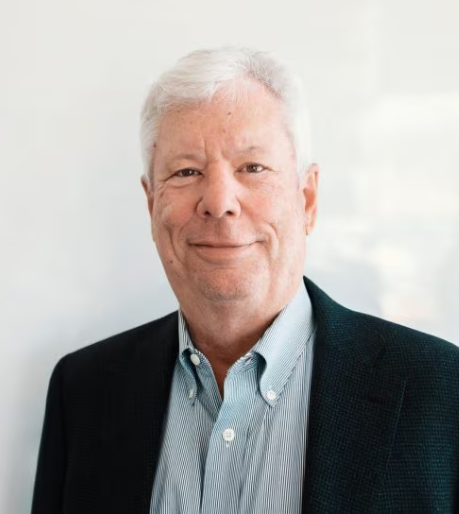
Professor of Behavioural Science & Economics at the University of Chicago Booth School of Business, Nobel Prize Winning Economist & Author of ‘Nudge’
Richard Thaler’s Biography:
Professor Richard Thaler is a Nobel Prize-winning economist, behavioural scientist and one of the world’s foremost authorities on behavioural economics. Best known for transforming the understanding of how psychology influences economic decision-making, Richard has reshaped public policy, business strategy and financial thinking across the globe. As the Charles R. Walgreen Distinguished Service Professor of Behavioural Science and Economics at the University of Chicago Booth School of Business, he combines decades of academic excellence with practical insight, making him a highly sought-after keynote speaker on behavioural science, leadership, decision-making and economics.
Richard’s career began after completing his academic studies when he joined the University of Rochester as a professor. In 1977, while working as a researcher at Stanford University, he made his first major breakthrough with the discovery of the endowment effect, demonstrating that people value possessions more highly simply because they own them. The finding challenged traditional economic theory and earned widespread recognition throughout the economics community after being published in the Journal of Economic Perspectives. Over the following decades, he pioneered behavioural economics, producing research that has influenced governments, businesses and financial institutions worldwide before joining the University of Chicago Booth School of Business.
Throughout his distinguished career, Richard has received numerous honours for his contribution to economics. In 2015, he served as President of the American Economic Association before being awarded the Nobel Memorial Prize in Economic Sciences in 2017 for his groundbreaking work in behavioural economics. He is the author of several influential books, including ‘Nudge’,’Misbehaving: The Making of Behavioural Economics’ and ‘Advances in Behavioural Finance‘. Richard is also a member of the National Academy of Sciences, the American Academy of Arts and Sciences and a Fellow of the American Finance Association.
Richard’s work has fundamentally changed how organisations approach consumer behaviour, public policy and financial decision-making. His engaging speaking style combines academic rigour with relatable real-world examples, helping audiences understand why people make irrational choices and how better decisions can be encouraged. Drawing on decades of research and practical application, he equips business leaders, policymakers and professionals with valuable insights into human behaviour, innovation and effective decision-making.
Why Hire Richard Thaler?
Professor Richard Thaler offers audiences a rare opportunity to learn directly from the economist who helped establish behavioural economics as a mainstream discipline. His presentations explain how psychological biases influence everyday decisions, consumer behaviour and organisational performance, providing practical lessons that businesses can immediately apply. Drawing on his Nobel Prize-winning research, bestselling publications and decades advising policymakers and institutions, Richard delivers thought-provoking keynotes that help leaders improve decision-making, influence behaviour ethically and better understand the human factors that shape successful organisations.
Richard Thaler‘s Career Highlights:
Here are some of the key milestones that define Richard Thaler’s remarkable career:
- 2017 – Awarded the Nobel Memorial Prize in Economic Sciences for his contributions to behavioural economics.
- 2015 – Served as President of the American Economic Association.
- 2008 – Co-authored the bestselling book ‘Nudge’, influencing policymakers and business leaders worldwide.
- 2003 – Published ‘Advances in Behavioural Finance: Volume Two’, bringing together landmark research in the field.
- 1995 – Published ‘Advances in Behavioral Finance: Volume One’, helping establish behavioural economics as a recognised discipline.
- 1990s – Became the Charles R. Walgreen Distinguished Service Professor of Behavioral Science and Economics at the University of Chicago Booth School of Business.
- 1977 – Discovered the endowment effect while researching at Stanford University, transforming economic theory.
- 1970s – Began his academic career as an economics professor, laying the foundations for his pioneering work in behavioural economics.
Videos
Richard Thaler’s Official Keynote Speaking Videos & Showreel:
Testimonials
“Professor Richard Thaler delivered an exceptional keynote that challenged the way we think about decision-making. His ability to translate complex behavioural economics into engaging, practical insights was remarkable, leaving our audience with ideas they could immediately apply. Informative, thought-provoking and genuinely entertaining, Richard was a standout speaker who exceeded every expectation.” – David Simms
Speaking Topics
Richard Thaler’s Official Keynote Topics:
- Finance & Banking
- Economics
- Organisational Behaviour
How Much Does Richard Thaler Cost to Hire?
How Much Does it Cost to Hire Richard Thaler?
Richard Thaler’s speaking fees typically reflect his exceptional career and international demand. Engagements vary depending on location, format, and duration; keynote appearances, conferences, and international events may command higher fees due to travel and preparation requirements.