
Building high-performing teams requires clear objectives, accountable leadership and an environment in which people can contribute effectively. As organisations manage hybrid working and rapid technological change, this guide presents a practical formula for building high-performing teams, supported by lessons from experts in elite sport, aviation and high-pressure leadership.
What Defines a High-Performing Team?
A high-performing team consistently achieves shared objectives because its members understand their responsibilities and work effectively together. Talent alone is not enough. Performance depends on how people communicate, make decisions and respond when circumstances change. The CIPD’s evidence review of high-performing teams explains that team dynamics become especially important when colleagues work virtually, have limited experience together or rely heavily on one another. Effective team development must therefore address working relationships as well as individual capability.
Why Are High-Performing Teams Commercially Valuable?
High-performing teams create commercial value by improving execution, supporting innovation and delivering more consistent outcomes for customers. The Association for Project Management identifies team efficiency as an important competitive advantage when organisations face increasing commercial pressure. For example, a product team with clear decision rights can resolve an approval issue quickly instead of waiting for several departments to establish who has authority. This reduces delays and protects the launch schedule. A relevant keynote speaker can help leaders introduce a performance framework that employees understand and can apply after the event.
What Is the Formula for Building High-Performing Teams?
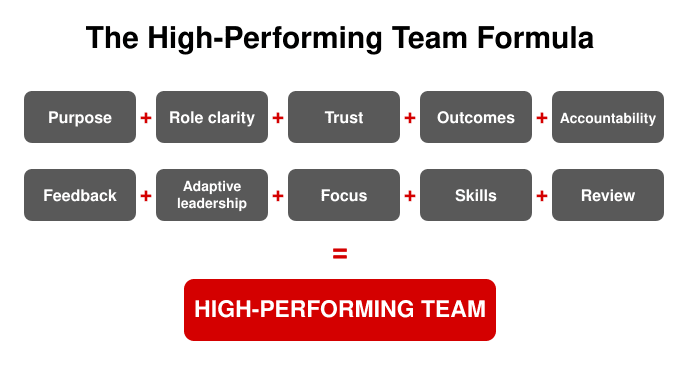
There is no universal formula that can be applied without considering the organisation, its people or its objectives. However, the following principles provide a strong foundation for leaders who want to improve team performance.
1. Give the Team a Clear Purpose
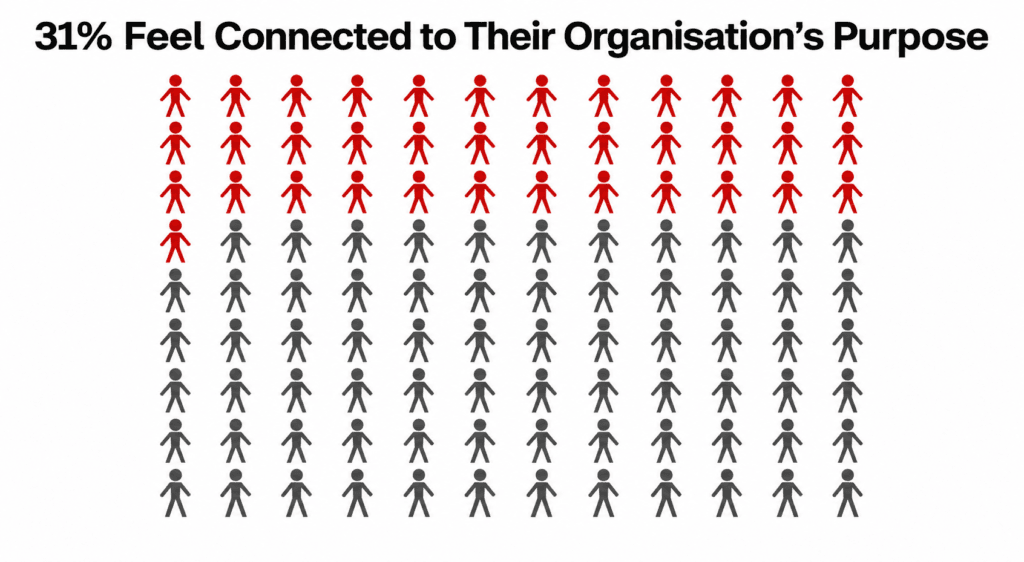
A clear purpose improves team alignment by helping employees understand why their work matters and which outcomes should guide their decisions. However, only 31% of US employees said their organisation’s mission or purpose made their job feel important as of May 2026. This demonstrates the gap between publishing a corporate mission and making it meaningful to employees. Olympic medallist, former diplomat and author Catherine Bishop explores how shared purpose can focus collaboration without allowing short-term results to define success. Leaders should connect each team’s responsibilities to a specific organisational objective and use that purpose to guide priorities, resource allocation and everyday decisions.
2. Define Roles and Decision-Making Authority
Clearly defined roles prevent duplicated work, overlooked responsibilities and unnecessary delays. This principle was central to Clive Woodward when managing an England rugby squad in which players, coaches and support staff needed to understand how their responsibilities contributed to one performance plan. The same applies in business. Employees should know which tasks they own, which decisions they are authorised to make and when an issue needs to be escalated. The Association for Project Management explains that focusing people on their individual contribution helps each member understand the value they bring to a project. This clarity supports faster decisions and more reliable delivery.
3. Create Trust and Psychological Safety
Trust enables teams to identify problems early, challenge weak decisions and learn from mistakes. Without it, employees may withhold concerns until they begin to affect delivery, client relationships or brand reputation. Former Special Forces Sergeant Jason Fox understands the importance of honest communication between people who must depend on one another under intense pressure. In business, leaders create psychological safety by listening when employees disagree and responding constructively when errors are disclosed. This does not mean lowering expectations. The CIPD’s evidence review indicates that carefully planned interventions can strengthen team effectiveness, particularly when colleagues are highly interdependent.
4. Measure Outcomes Rather Than Activity
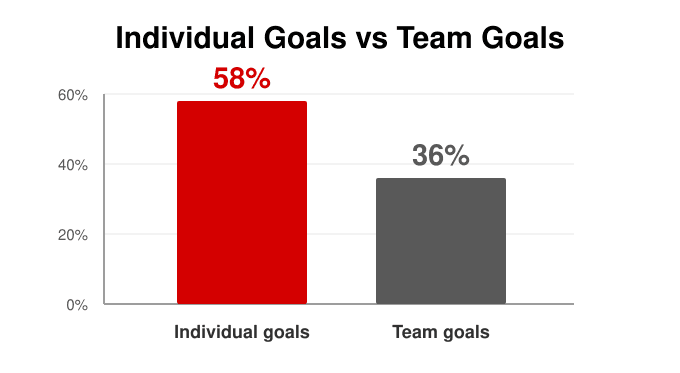
Teams perform more effectively when individual responsibilities are connected to measurable team outcomes. However, research found that 58% of employees have individual performance goals, while only 36% receive team goals. This imbalance can encourage people to prioritise personal targets without considering the wider result. Leaders should therefore define what collective success looks like, select measures that reflect business value and review progress regularly. A customer service team, for example, could measure resolution quality alongside response speed. Clear team outcomes reveal whether work is achieving its intended purpose and allow resources to be redirected when performance begins to fall short.
5. Make Accountability Part of Daily Teamwork
Accountability should operate between colleagues throughout a project, not appear only during a formal performance review. As Britain’s first female fast jet pilot, Jo Salter worked in an environment where preparation and dependable communication were inseparable from collective performance. Business teams also need named owners, realistic deadlines and an agreed process for following up on commitments. When something is not delivered, the discussion should establish what prevented progress and what must change, rather than simply allocating blame. Reaearch includes accountability to colleagues among the central questions in his guidance on creating high-performing teams. This approach improves reliability while preserving trust.
6. Give Feedback That Improves Future Performance
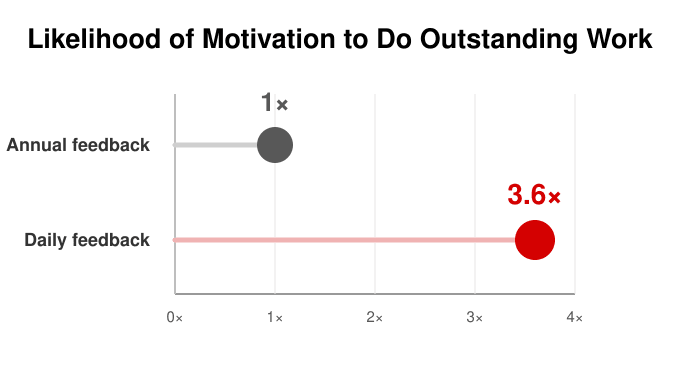
Frequent, meaningful feedback helps employees adjust their work while the experience is still recent. Research found that employees are 3.6 times more likely to strongly agree that they are motivated to produce outstanding work when their manager provides daily feedback rather than annual feedback. Effective feedback should explain what happened, how it affected the outcome and what could be improved next time. It should also create a two-way conversation, allowing employees to identify obstacles that leaders may not see. Regular feedback helps teams correct problems earlier, develop stronger judgement and apply lessons from one project to future work.
7. Adapt Leadership to the Team’s Needs
Leadership should change according to the team’s experience, confidence and immediate level of risk. Formula One demonstrates this need particularly clearly, as Christian Horner has coordinated specialist departments while responding to changing competitive conditions and intense public scrutiny. Business leaders face a similar judgement on a different scale. A newly formed team may require closer direction, while experienced specialists often perform better with greater autonomy. Applying one management style in every situation can leave employees unsupported or unnecessarily restrict capable people.
Source: The London Business School
8. Protect Time for Concentrated Work
High-performing teams need uninterrupted time to complete work that requires sustained attention. Meetings, messages and informal conversations may support collaboration, but excessive interruptions make it harder to think carefully and maintain quality. Leaders should establish clear expectations around availability, shorten meetings that no longer serve a useful purpose and allow employees to protect periods for focused work. Individual preferences also matter. Music may help some people concentrate, while lyrics or an unsuitable tempo can distract others from demanding tasks. Giving employees reasonable control over their working environment can reduce unnecessary disruption, improve decision-making and help teams complete important work more efficiently.
Source: Business News Daily
9. Build a Complementary Range of Skills
An effective team needs complementary capabilities rather than several people with identical strengths. During her football career with Arsenal and England, Alex Scott operated within teams whose members fulfilled different tactical responsibilities while working towards the same result. Businesses must apply comparable thinking when assembling teams, assessing the capability of the group rather than viewing each employee in isolation. Leaders should identify important gaps and determine whether people require development or specialist support. The Association for Project Management argues that organisations must assemble suitable skill sets as projects become more complex. A complementary team is more adaptable and less dependent on one individual.
10. Review How the Team Operates
Teams must review their operating methods because high performance cannot be treated as a permanent condition. The marginal gains approach associated with former British Cycling Performance Director Dave Brailsford shows how examining separate areas of performance can reveal targeted improvements that support a larger objective. Business reviews should similarly identify where decisions stalled, why handovers failed and which processes are creating unnecessary work. The purpose is not to redesign operations after every setback, but to learn from recurring patterns. Research identifies resilience and changing work models among the significant issues now facing organisational leaders.
Source: McKinsey & Company
Hire a High-Performing Teams Speaker Today!
The formula for building high-performing teams provides leaders with a practical basis for improving how people work and deliver commercial results. An experienced speaker can make these principles relevant to your organisation and event audience. To hire a high-performing teams speaker, contact the London Keynote Speakers Agency today! Give our booking agents a call on 0203 9580 428 or complete our online contact form.