CONTENT WARNING: This blog post discusses sensitive topics, including suicide, harmful thoughts, bullying, and grief.
Suicide Awareness Week 2026 presents an important opportunity for UK employers to reflect on how workplace culture, leadership and support systems influence employee wellbeing. As conversations around mental health continue to evolve, organisations have a critical role to play in changing the narrative from silence and stigma to understanding, prevention and action.
What is Suicide Awareness Week?
World Suicide Prevention Day is observed annually on 10 September to raise awareness that suicide is preventable and to encourage global action. It is organised by the International Association for Suicide Prevention with co-sponsorship from the World Health Organization. Many organisations extend activities into Suicide Awareness Week, often marked from 10–16 September, to promote education, reduce stigma and encourage open conversations about mental health.
Source: World Health Organisation
What is the Theme for World Suicide Prevention Week 2026?
The international theme for World Suicide Prevention Day from 2024 to 2026 is “Changing the Narrative on Suicide.” Led by the International Association for Suicide Prevention, this theme calls for a shift away from stigma and silence towards open, compassionate and informed conversations. It encourages individuals, communities and employers to challenge misconceptions, promote understanding and create environments where people feel safe to seek support.
Source: International Association for Suicide Prevention
What Do Employers Need To Know?
For UK employers, Suicide Awareness Week is not only a moment to raise awareness, but an opportunity to take informed and responsible action, beginning with a clear understanding of the key facts, risks and preventative measures that shape a mentally healthy workplace.
1. Suicide Remains A Significant Public Health Issue
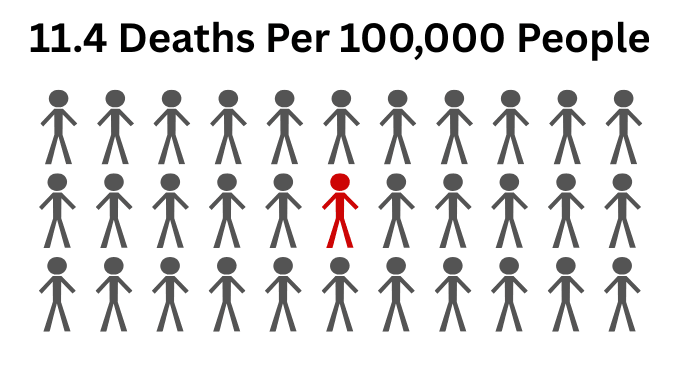
Suicide continues to have a substantial impact in the UK, and recent official data shows that age standardised suicide rates in England and Wales have increased since 2017, reaching 11.4 deaths per 100,000 people in 2023, the highest level recorded since 1999. This upward trend, following years of decline earlier in the century, highlights the ongoing and evolving nature of the challenge facing workplaces and wider society.
2. Suicide is the Leading Cause of Death for Younger Adults
Recent data from the Office for National Statistics indicates that suicide was the leading cause of death among people aged 20 to 34 years in England and Wales in 2024, highlighting how prevalent suicide is within prime working ages. This underscores that suicide is not a distant demographic issue — it directly affects age groups commonly found in the workplace and therefore matters to employers and organisational wellbeing strategies.
3. Workplace Stress Can Cause Vulnerability
Suicide is rarely caused by a single factor, but prolonged stress, financial pressure, job insecurity and burnout can increase vulnerability, particularly when combined with existing mental health challenges. The Health and Safety Executive consistently reports that work-related stress, depression and anxiety account for a significant proportion of work-related ill health in the UK. For employers, this reinforces the importance of addressing workload, management style and organisational culture as part of a broader prevention strategy.
As Founder of the Stress Management Society and author of The 10 Step Stress Solution, Neil Shah frequently highlights that unmanaged chronic stress is one of the most significant yet preventable risks to both mental and physical health, a message he has reinforced through national media appearances on BBC, Sky News and in The Telegraph.
4. Early Warning Signs Are Often Subtle
Signs that someone may be struggling are not always dramatic or obvious. Changes such as withdrawal from colleagues, reduced engagement, increased irritability, unexplained absences, or a noticeable decline in performance can signal underlying distress. Verbal cues, including expressions of hopelessness or feeling like a burden, should also be taken seriously. Employers who train managers to recognise and respond appropriately to these early indicators are better positioned to offer support before a situation escalates.
5. Clear and Visible Support Pathways Save Time in a Crisis
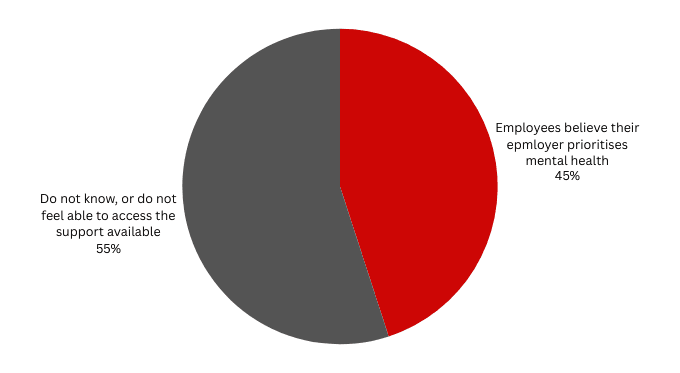
Evidence from recent workplace research shows that despite three-quarters of UK employers offering mental health support, fewer than half, 45%, of employees believe their employer genuinely prioritises their mental health, suggesting that employees often do not know or do not feel able to access the support that is available. This gap between provision and perception highlights the need for clear, visible and well-communicated support pathways so employees know how and where to get help when they need it.
6. Training Managers Increases Confidence and Early Intervention
Many managers want to support their teams but feel unsure about what to say or how to respond if someone appears to be struggling. Providing mental health awareness training or mental health first aid equips leaders with practical tools to listen without judgement, recognise risk indicators and escalate concerns appropriately. Confidence at management level reduces hesitation, encourages earlier conversations and helps create a culture where employees feel safer raising difficult issues before they reach crisis point.
7. Communication During Suicide Awareness Week Must Be Responsible
How organisations communicate about suicide matters. Messages should avoid graphic detail, sensational language or oversimplified explanations, and should always include clear signposting to professional support services. Internal communications teams should brief managers in advance so they are prepared for potential emotional responses. Responsible messaging reduces harm, prevents unintended distress and reinforces a culture of care rather than alarm.
Drawing on his lived experience of intervening in a suicide crisis, Neil Laybourn speaks powerfully to corporate audiences about responsible communication, active listening and building the confidence to have difficult conversations, offering practical guidance on how leaders can respond with care without assuming clinical responsibility.
8. Awareness Must Translate Into Year Round Strategy
A single awareness week cannot compensate for structural pressures that undermine wellbeing. Employers should use Suicide Awareness Week as a catalyst to review workload expectations, hybrid working challenges, performance culture and employee feedback mechanisms. Sustainable prevention requires ongoing commitment, regular wellbeing check ins and visible leadership accountability. Long term cultural change is far more protective than one off initiatives or symbolic gestures.
9. Data and Employee Feedback Should Inform Action
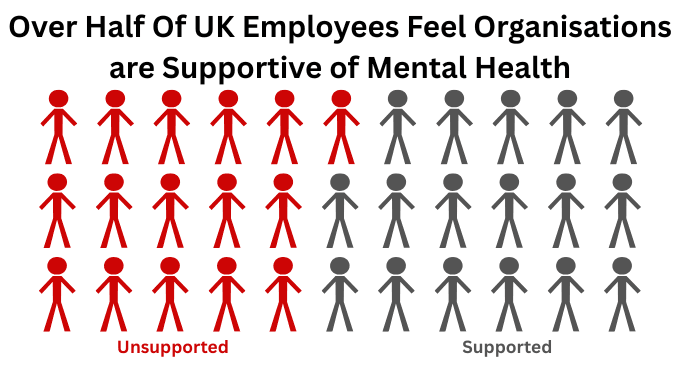
Despite many organisations gathering wellbeing feedback, research from the Chartered Institute of Personnel and Development shows that only just over half of UK employees feel their organisation is genuinely supportive of mental health, with many reporting that support does not fully meet their needs. This reinforces that collecting data alone is insufficient. Employers must analyse findings carefully, communicate transparently about what has been learned and implement clear, measurable changes to policies, workloads and management practices in order to build trust and strengthen workplace wellbeing.
Source: CIPD
10. Expert Keynote Speakers Can Catalyse Cultural Change
While policies and training are essential, culture is often shaped by moments that resonate emotionally as well as intellectually. Bringing in a credible mental health or lived experience keynote speaker during Suicide Awareness Week can challenge stigma, humanise complex issues and reinforce leadership commitment to wellbeing. For example, Liz McConaghy delivers workplace suicide prevention training tailored to managers and HR professionals, providing structured frameworks, clear referral pathways and practical guidance on the boundaries between peer support and professional intervention.
Hire an Expert Keynote Speaker Today!
Suicide Awareness Week 2026 is an opportunity for employers to move beyond awareness and take meaningful, preventative action that strengthens workplace culture and safeguards employee wellbeing. To demonstrate genuine commitment and equip your teams with practical tools, consider hiring a qualified mental health keynote speaker who can inspire informed conversation and lasting change across your organisation.
Contact the London Keynote Speakers Agency today! Give our booking agents a call on 0203 9580 428 or complete our online contact form.